
How Are Postpartum Infections Diagnosed?
Postpartum recovery comes with expected changes, including fatigue, discomfort, bleeding, sleep disruption, and physical healing after birth. Those normal changes can sometimes make it harder to recognize when something isn’t following the expected course.
So, how are postpartum infections diagnosed?
No single test diagnoses every postpartum infection. The evaluation depends on the patient’s symptoms, birth history, potential source of infection, and overall clinical condition. Diagnosis usually begins with a focused history and physical examination, followed by laboratory testing, cultures, or imaging when these can help identify the infection or determine its severity.
For nurses, this matters because postpartum infection isn’t one diagnosis. Endometritis, urinary tract infection, pyelonephritis, surgical site infection, infected lacerations, breast infection, retained products associated with infection, and other sources can present differently and require different evaluations. The NIH StatPearls review of postpartum infections provides a helpful clinical overview of the various sources.
Diagnosis Starts with the Postpartum History

The postpartum history provides context that may immediately raise or lower concern for certain infections. How long it has been since the patient delivered matters, but so does what happened during pregnancy, labor, and birth.
A postpartum infection evaluation may include questions about:
Mode of delivery
PPROM or prolonged rupture of membranes
Intraamniotic infection during labor
Prolonged or operative delivery
Cesarean birth
Episiotomy or perineal laceration
Postpartum hemorrhage
Retained placental tissue or manual removal of the placenta
Urinary catheterization or urinary symptoms
Recent procedures or surgery
Changes in lochia, vaginal bleeding, or odor
Incision, wound, or breast symptoms
These details help connect what happened before and during delivery with what is happening now. A patient presenting with fever and uterine tenderness after prolonged rupture of membranes creates a different clinical picture than a patient presenting with dysuria and flank pain or drainage from a cesarean incision.
The postpartum history helps narrow the potential source before laboratory testing ever begins.
The Physical Examination Helps Identify the Source
The physical examination should be directed by the patient’s symptoms and birth history. Vital signs are important, but they are only one part of the assessment. Nurses and providers also need to consider the patient’s overall appearance and whether her current findings are consistent with one another.
Depending on the presentation, the examination may include assessment of the abdomen and uterus, lochia, cesarean incision, episiotomy or laceration sites, urinary symptoms, breasts, skin, and other potential sources of infection.
Uterine or fundal tenderness and abnormal or foul-smelling lochia may raise concern for postpartum endometritis. Erythema, warmth, induration, drainage, wound separation, or increasing pain may point toward a surgical or perineal wound infection. Urinary symptoms, flank discomfort, or costovertebral-angle tenderness may shift attention toward a urinary source.
The goal is not simply to establish that an infection may be present. It is to determine where the infection may be coming from and whether the patient is becoming systemically ill.
How Is Postpartum Endometritis Diagnosed?
Postpartum endometritis is primarily a clinical diagnosis. Clinicians generally identify it based on the patient’s history, risk factors, symptoms, and examination, rather than on a single definitive laboratory test.
Fever is common, and uterine tenderness, abdominal or pelvic discomfort, and foul-smelling or purulent lochia may support the diagnosis. The patient’s birth history is also important because factors such as cesarean delivery, prolonged rupture of membranes, prolonged labor, and intraamniotic infection may increase the likelihood of postpartum uterine infection.
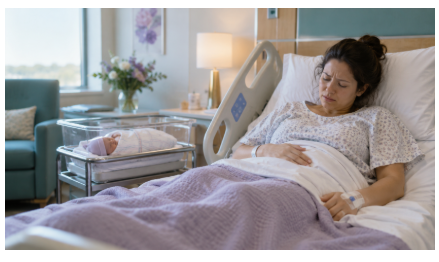
Laboratory testing can support the evaluation and help assess severity, but it doesn’t independently confirm or exclude postpartum endometritis. This distinction is important because postpartum physiology can complicate interpretation of individual findings. Consider a laboratory value or vital sign within the larger clinical picture rather than using it alone to rule an infection in or out.
How Are Urinary and Wound Infections Evaluated?
A urinary tract infection or pyelonephritis requires a different diagnostic approach. Urinalysis and urine culture may be used when a urinary source is suspected, while symptoms such as dysuria, urinary frequency, flank pain, fever, or costovertebral-angle tenderness help provide clinical context.
Surgical and perineal wound infections rely heavily on direct assessment. A cesarean incision, episiotomy, or laceration site should be evaluated for signs of infection or complications, including erythema, warmth, swelling, induration, drainage, wound separation, or increasing tenderness. If drainage is present, a wound culture may help identify the organism and guide treatment.
Pain that appears disproportionate to the examination, rapidly progressive symptoms, systemic illness, bullae, crepitus, or other concerning findings require prompt evaluation for a deeper or more aggressive infection. This is another reason bedside assessment matters. The wound’s appearance and the patient’s overall clinical condition may provide information that a laboratory value cannot.
What Laboratory Tests Are Used for Postpartum Infection?
Laboratory testing depends on the suspected infection and the patient’s condition. A complete blood count may be obtained, but leukocytosis warrants careful interpretation, as elevated white blood cell counts can occur physiologically during labor and the early postpartum period.
Depending on the clinical picture, the evaluation may include:
Complete blood count with differential
Urinalysis and urine culture
Blood cultures when systemic infection or sepsis is suspected
Wound cultures when appropriate
Serum lactate when there is concern for sepsis or impaired perfusion
Additional metabolic or organ-function testing based on the patient’s condition
One important limitation is that normal laboratory results do not automatically exclude postpartum infection. Laboratory testing supports the assessment, but the diagnosis still depends heavily on history, physical findings, clinical trajectory, and the suspected source.
For nurses, trends may be particularly useful. A single value provides one point in time. Changes in laboratory results, vital signs, urine output, mental status, pain, or other findings may provide a much clearer picture of whether the patient is improving or deteriorating.
When Is Imaging Used?
Imaging isn’t required for every postpartum infection. It becomes more useful when the diagnosis is uncertain, symptoms aren’t improving as expected, a deeper infection is suspected, or another complication needs to be ruled out.
Ultrasound may be used when retained products of conception are a concern. Depending on the clinical situation, CT or other imaging may be needed to evaluate for a pelvic abscess, deeper surgical infection, or another intra-abdominal or pelvic source. Imaging should answer a clinical question rather than simply be ordered because infection is possible.
For example, if a patient remains febrile or clinically unwell despite appropriate treatment for presumed endometritis, the team may need to consider whether another source or complication is contributing to the clinical picture.
Postpartum Infection and Maternal Sepsis Are Related, but They Aren’t the Same Diagnosis
A postpartum infection does not automatically mean a patient has maternal sepsis. Sepsis involves infection accompanied by life-threatening organ dysfunction. This is where the evaluation moves beyond identifying the source of infection to assessing how the patient’s body is responding.
A patient with endometritis may have a localized uterine infection. Another patient with the same source may develop hypotension, altered mental status, decreased urine output, respiratory changes, elevated lactate, or other evidence of organ dysfunction. That distinction matters because maternal sepsis requires urgent evaluation and treatment.
Fever can support suspicion for infection, but fever is not required for maternal sepsis. SMFM guidance recommends that pregnant and postpartum patients with suspected or confirmed infection and otherwise unexplained organ dysfunction be evaluated for sepsis even when they are afebrile. (I covered this in more detail in Maternal Sepsis in OB: 5 Clinical Clues Nurses Should Never Miss.)
This is where nursing reassessment becomes especially important. Once an infection has been identified, the assessment doesn’t stop. We still need to ask whether the patient is responding as expected or whether the clinical picture is becoming more concerning.
Why Postpartum Infection Can Be Difficult to Diagnose
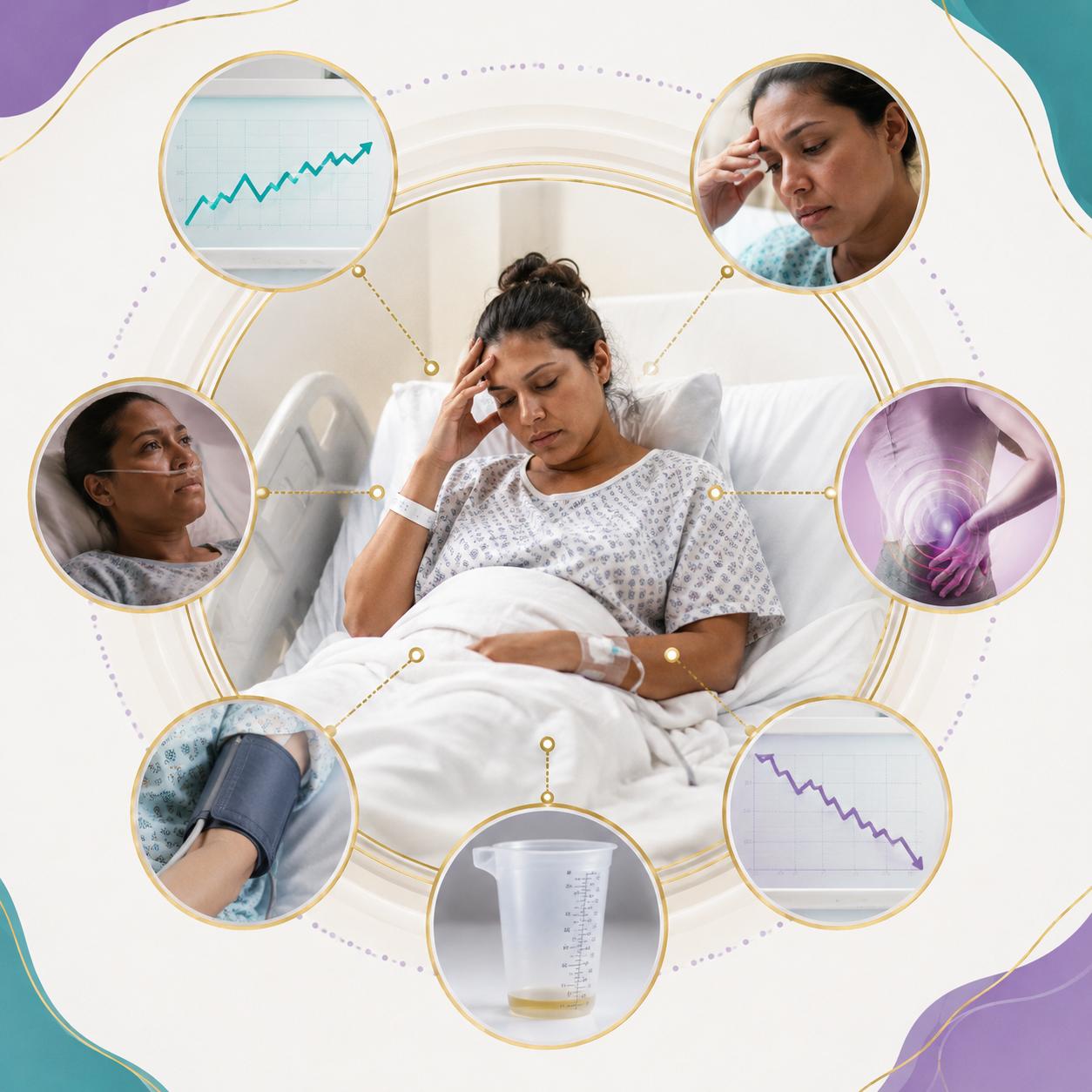
The postpartum period creates several diagnostic challenges because some expected recovery findings can overlap with signs of infection. Fatigue, discomfort, leukocytosis, increased heart rate, and changes in vaginal discharge can all require interpretation within the postpartum context.
That doesn’t mean every postpartum change should trigger an infection workup. It means no single finding should be interpreted in isolation.
Another challenge is where the patient presents. A postpartum infection may first be evaluated in an emergency department, urgent care clinic, primary care office, or another setting outside OB. Her recent birth history, mode of delivery, rupture of membranes, operative procedures, and other obstetric details may not be immediately visible unless someone asks. For nurses, postpartum infection diagnosis is therefore partly about preserving the clinical context as the patient moves between settings. (Read more in When Is Maternal Sepsis Most Common?)
Key Takeaways for Nurses
Diagnosing postpartum infection requires more than identifying fever or ordering laboratory tests. The strongest evaluation integrates the patient’s postpartum history, physical findings, potential source of infection, diagnostic testing, and clinical trajectory.
Start with the pregnancy and birth history. Delivery mode, rupture of membranes, intraamniotic infection, procedures, wounds, and other events can help identify likely sources.
Look for the source. Uterine, urinary, surgical, perineal, breast, and other infections may require different evaluations.
Use laboratory testing to support the assessment. Normal results do not necessarily exclude infection, and postpartum physiologic changes can complicate interpretation.
Use imaging when a specific clinical question remains. Retained products, abscess, deeper infection, or failure to improve may require additional evaluation.
Continue reassessing after infection is identified. The critical question becomes whether the infection remains localized or the patient is developing evidence of systemic illness or organ dysfunction.
Why Diagnosis Matters
Postpartum infection diagnosis isn’t simply about naming the infection. It helps determine the source, the required treatment, whether source control may be required, and whether the patient is developing maternal sepsis.
For nurses, our role often begins before we have all those answers. We note changes in the patient’s condition, gather the history, identify relevant birth-related risks, complete focused assessments, obtain ordered specimens, and communicate when the clinical picture no longer fits the expected postpartum course. The earlier you connect the pieces of that picture, the sooner the patient can receive the evaluation and treatment she needs.
Continue Building Your Maternal Sepsis Knowledge
If you care for pregnant or postpartum patients, my FREE Maternal Sepsis Quick Reference Guide provides practical reminders about early warning signs, reassessment, clinical concerns, and escalation.
For a deeper look at maternal sepsis recognition and response, visit my Maternal Sepsis CE Course for OB Nurses.