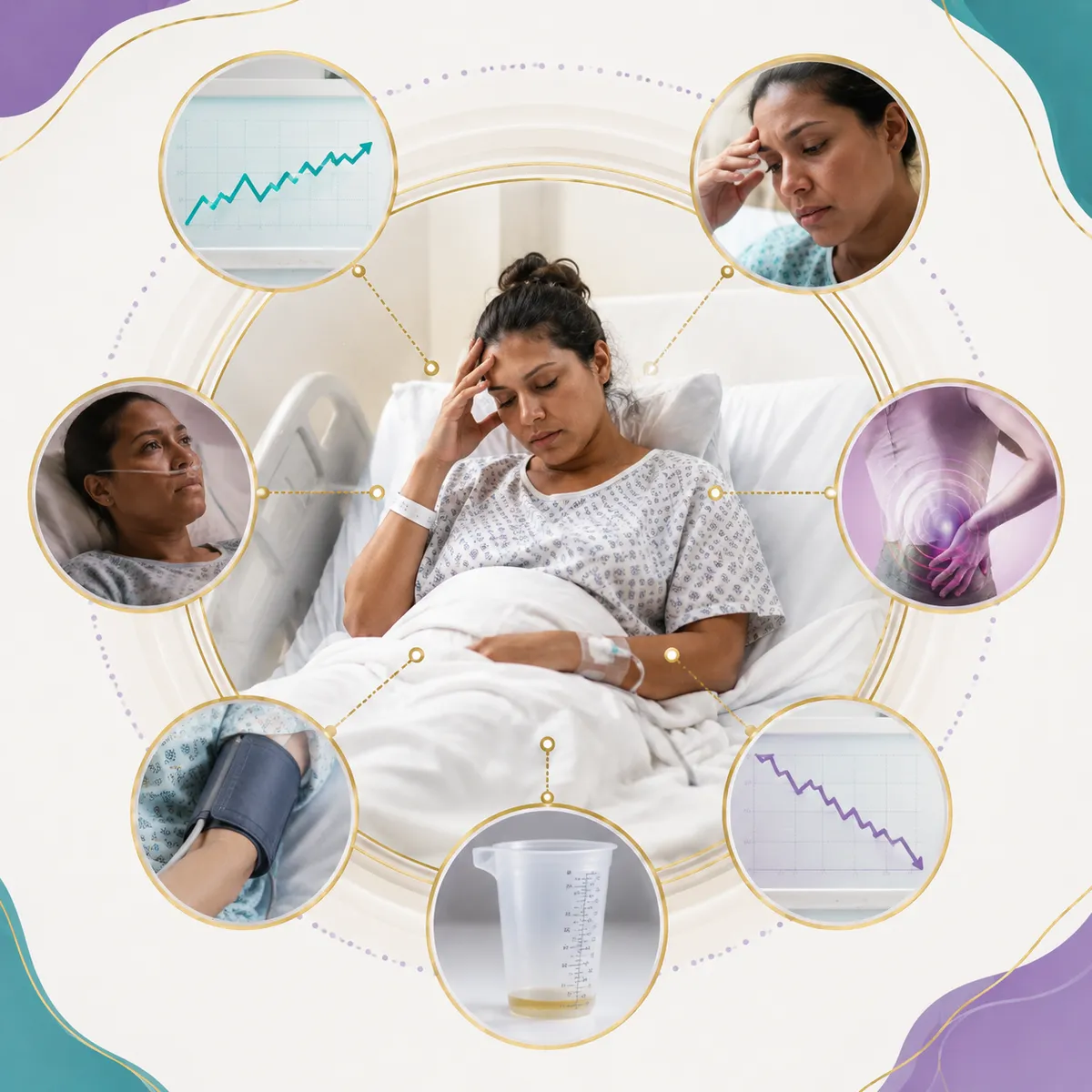
Does Your Body Ever Fully Recover From Sepsis? 5 Key Things OB Nurses Need to Know
Surviving maternal sepsis is a major milestone, but resolution of the infection does not necessarily mean recovery is complete. For many people, full recovery from sepsis is possible. The CDC notes that many survivors recover completely and return to their previous lives, while others experience physical, cognitive, or emotional effects that continue after hospitalization.
For pregnant and postpartum patients, recovery has another layer. A woman may be healing from sepsis while also recovering from pregnancy, labor, vaginal birth, or cesarean delivery. At the same time, she may be adjusting hormonally, sleeping in short stretches, establishing feeding, attending postpartum appointments, and caring for a newborn.
As OB nurses, we spend a great deal of time appropriately focused on recognizing maternal sepsis and responding before the patient deteriorates further. Recovery deserves attention too. Understanding what can happen after survival helps us provide more realistic discharge education, identify patients who may need additional support, and avoid assuming clinical stability means the patient has returned to baseline.
Here are five things OB nurses should know about recovery after maternal sepsis.

1. Full Recovery Is Possible, but It Looks Different for Every Patient
A patient can improve significantly clinically while still feeling far from her previous level of health. Her blood pressure may be stable, antibiotics may be working, laboratory values may be improving, and intensive monitoring may no longer be necessary. Those are important signs of progress, but they do not necessarily mean her recovery is complete.
The CDC describes recovery after sepsis as highly individual. Many survivors recover completely, while others may experience weakness, fatigue, pain, difficulty sleeping, decreased appetite, problems with mobility, or other effects after leaving the hospital. A postpartum patient may reasonably expect some fatigue after birth, but she may not anticipate how profoundly deconditioned she feels after serious illness or how much effort ordinary activities require.
This distinction matters when nurses prepare patients and families for discharge. Celebrate improvement, but keep recovery expectations realistic. A patient who is medically ready to leave the hospital may still need time and support before she feels like herself again.
2. Post-Sepsis Effects Can Be Physical, Cognitive, and Emotional
The long-term effects of sepsis can extend beyond physical weakness. The CDC describes possible longer-term effects that include weakness, difficulty moving around, sleep disturbance, pain, poor concentration, anxiety, depression, frightening memories, and difficulty returning to everyday activities. Some survivors may also experience ongoing organ-related problems.
These physical, cognitive, and psychological effects are sometimes discussed under the broader term post-sepsis syndrome. For maternal patients, the events surrounding pregnancy and birth may also become intertwined. A woman may have entered the hospital expecting a routine delivery and instead experienced critical illness, emergency procedures, intensive care, or separation from her newborn.
Maternal-specific guidance recognizes that these concerns deserve ongoing attention. SMFM recommends comprehensive support for pregnant and postpartum survivors of sepsis and septic shock because of the increased risk of physical, cognitive, and emotional problems after severe illness.
Research specific to obstetric sepsis recovery is still developing. A 2024 review of long-term outcomes after obstetric sepsis highlighted post-sepsis syndrome and other medical and psychological sequelae while also noting the need for better identification, management, and coordination of care in the weeks, months, and years following maternal sepsis.
For nurses, the takeaway is that recovery should not be evaluated only by looking at vital signs, laboratory values, or whether the infection has resolved. The patient’s cognitive and emotional well-being also matters.
3. Sepsis Recovery Can Overlap With Postpartum Recovery
Postpartum sepsis recovery can be difficult to interpret because many of its effects overlap with experiences already associated with the postpartum period. Fatigue, interrupted sleep, discomfort, appetite changes, emotional shifts, and reduced endurance can all occur after childbirth. Some of those same concerns can also appear after sepsis.
That overlap can make it tempting to attribute persistent symptoms to postpartum recovery alone. A woman may assume that profound fatigue is simply part of caring for a newborn, or that difficulty concentrating is only due to lack of sleep. Anxiety, intrusive memories, or fear surrounding hospitalization may also become overshadowed by the expectation that she should simply be relieved that she and her baby are doing well.

The goal is not to make every postpartum symptom concerning. It is to recognize when the degree, duration, or effect on daily functioning deserves further evaluation. Significant weakness, persistent cognitive changes, emotional distress, or difficulty completing routine activities may reflect consequences of severe illness, critical care, medication changes, mental health concerns, organ dysfunction, or another postpartum condition.
The opposite is also important. A new symptom after maternal sepsis should not automatically be labeled part of post-sepsis recovery. Recently pregnant patients remain at risk for other postpartum complications, and new or worsening symptoms need to be considered within the full clinical picture. (For more on why the postpartum window matters, see When Is Maternal Sepsis Most Common?)
4. Recovery May Require Rehabilitation and Follow-Up
Telling a postpartum patient to “go home and rest” may underestimate what returning home actually requires. She may be recovering from vaginal or cesarean birth while also managing nighttime feedings, carrying a newborn, attending appointments, taking medications, completing personal care, and functioning with fragmented sleep. For a patient who is still weak or deconditioned after sepsis, those routine demands can be difficult.
The CDC notes that rehabilitation may begin in the hospital with gradual return to activities such as sitting, standing, walking, bathing, using the restroom, and completing other everyday tasks. Rehabilitation should be individualized according to the survivor’s needs and what activities are safe for her.
Some maternal sepsis survivors may recover without formal rehabilitation, while others may benefit from physical therapy, occupational therapy, mental health care, specialty follow-up, or additional support at home. The needs of the postpartum patient also extend beyond the individual survivor because her recovery may affect her ability to care for her newborn.
Before discharge, practical questions can help identify potential gaps:
Can she safely manage basic activities at home?
Does she have enough support while she regains strength?
Who can help with newborn care if she is physically limited?
Are follow-up appointments clearly arranged?
Does she know whom to contact if she is not recovering as expected?
Have you identified and addressed cognitive or emotional concerns?
These questions are part of recovery planning. They help determine whether the transition home is realistic and safe.
5. Discharge Should Prepare the Patient for Recovery
Discharge after maternal sepsis should address more than medications and the possibility of recurrent infection. Patients and families need a realistic understanding of what recovery may involve, which symptoms require follow-up, and who is responsible for different parts of the patient’s ongoing care.
Depending on the severity and complications of her illness, follow-up may involve obstetrics, primary care, infectious disease, rehabilitation services, mental health professionals, or other specialists. Clear communication becomes especially important when several clinicians are involved because it is easy for each team to assume another provider is addressing the longer-term effects of the hospitalization.
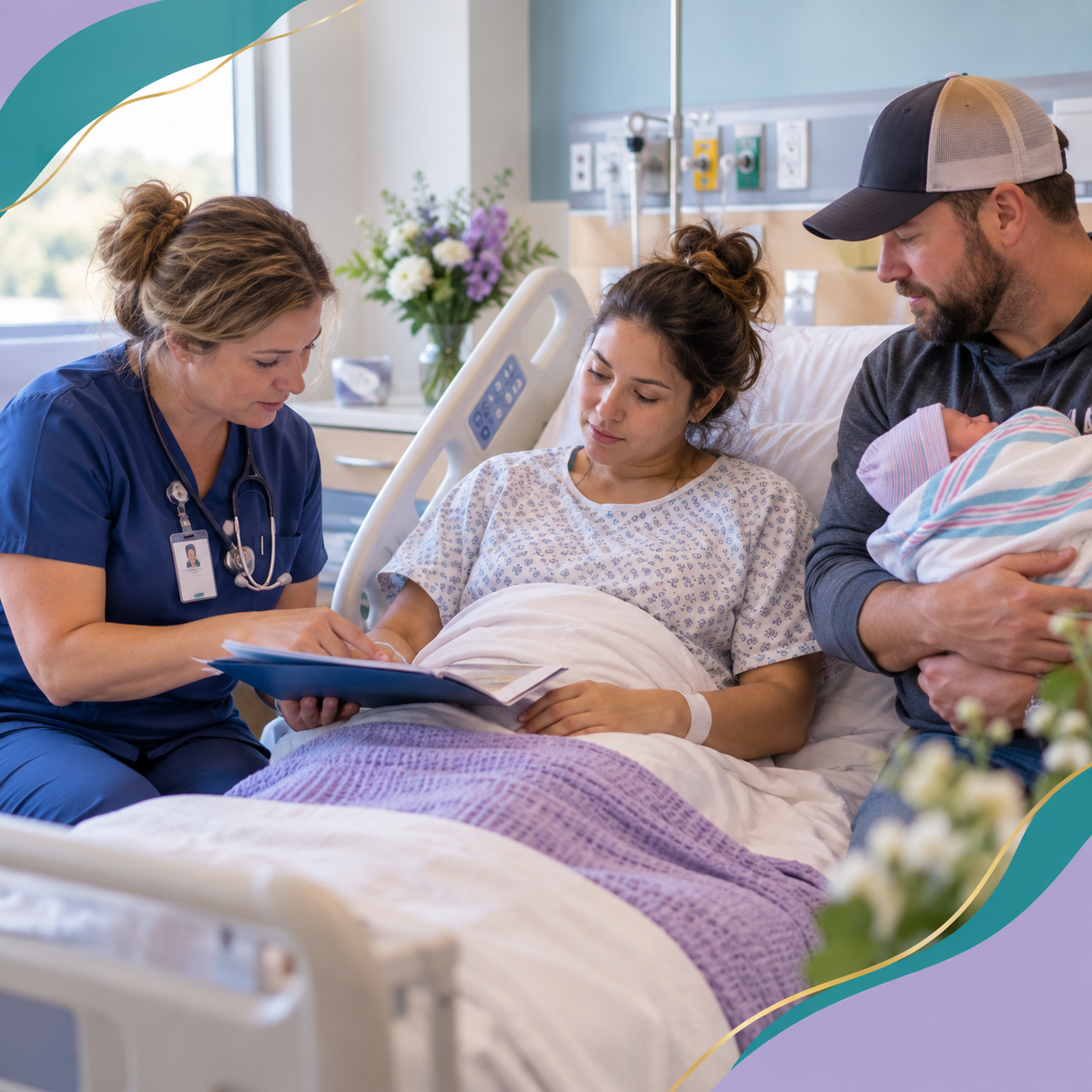
OB nurses are often well positioned to identify gaps before the patient leaves. We may notice that she still needs significant assistance with mobility, hear a family member say that she does not seem like herself, or learn that she is anxious about caring for her baby once she gets home. Those observations provide important information about whether the current discharge plan matches the patient’s actual needs.
SMFM’s recommendation for ongoing comprehensive support for pregnant and postpartum sepsis survivors reinforces that recovery should be viewed as part of maternal care rather than an issue that begins only after obstetric care ends.
What Does This Mean for OB Nursing Care?
Maternal sepsis recovery gives us an opportunity to broaden how we think about nursing care after critical illness. Medical stability remains essential, but functional ability, emotional health, cognitive concerns, home support, and continuity of care also deserve attention.
The language we use with patients also matters. Rather than promising that someone will be “back to normal soon,” we can explain that recovery after serious illness varies and that different parts of recovery may progress at different rates. Patients should know that persistent concerns are worth discussing with their healthcare team, not something they are expected to simply push through.
That type of education is realistic without being frightening. It helps the patient understand that needing time or additional support does not mean recovery is failing.
Key Takeaways for OB Nurses
Recovery after maternal sepsis does not follow one predictable pathway. For many patients, full recovery is possible, while others may experience physical, cognitive, or emotional effects after the acute infection has resolved.
The most important points to remember are:
Clinical improvement and complete recovery are not the same thing.
Post-sepsis effects can involve physical, cognitive, and emotional health.
Postpartum recovery can overlap with sepsis recovery and complicate interpretation of symptoms.
Some patients may need rehabilitation, specialty follow-up, mental health support, or additional help at home.
Discharge planning should prepare the patient and family for recovery, not simply the end of hospitalization.
Maternal sepsis care appropriately begins with survival. Once the immediate emergency has passed, the next part of the continuum is helping the patient regain her health, function, and confidence. (If you’re looking for the recognition side of maternal sepsis, start with Maternal Sepsis in OB: 5 Clinical Clues Nurses Should Never Miss.)
Keep the Maternal Sepsis Guide Close
If you care for pregnant or postpartum patients and haven’t downloaded my FREE Maternal Sepsis Quick Reference Guide, you're missing practical reminders on early recognition, reassessment, clinical concerns, and escalation.
Keep it with your clinical resources or share it with another nurse who cares for maternal patients.
For a deeper look at maternal sepsis recognition and response, explore my Maternal Sepsis CE Course for OB Nurses.