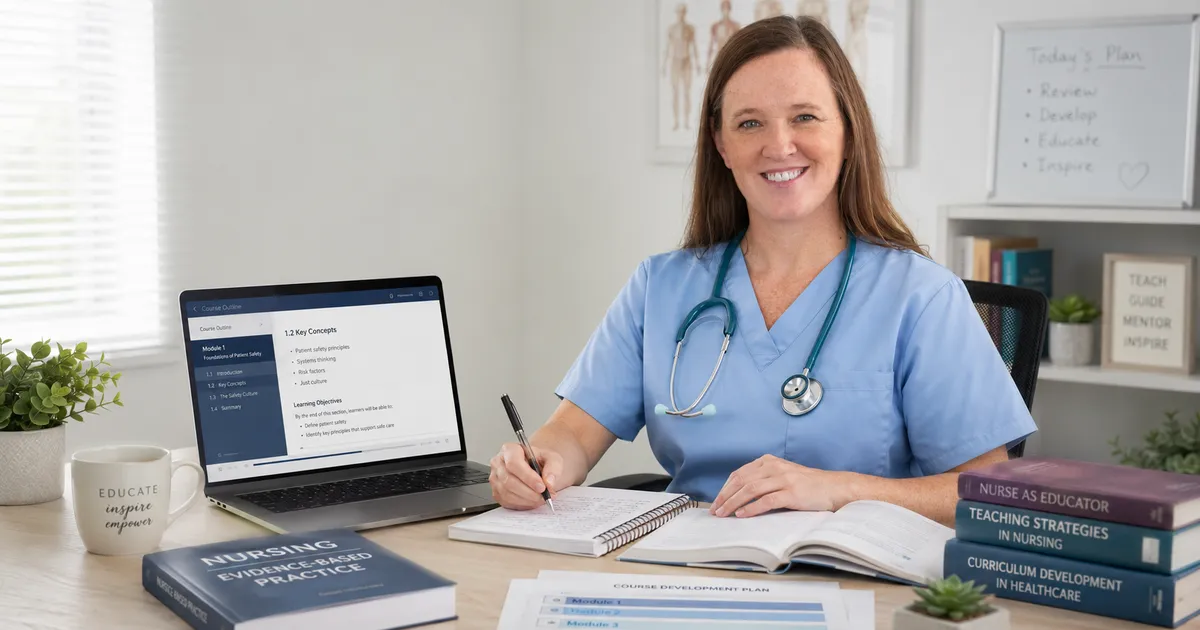
Why Nurses Deserve Better Continuing Education
Why Nurses Deserve Better Continuing Education
Nurses are already resilient. They adapt to constant change, carry enormous responsibility, manage emotional complexity, and show up day after day in demanding environments. Yet when systems respond to strain, the solution is often more resilience training, as if the problem is how nurses cope, rather than what they’re being asked to cope with.

The same pattern shows up in continuing education. Too often, CE is treated as something nurses must “get through” rather than something genuinely built for them. Courses compress complex topics into surface-level summaries and disconnect learning from real-world application.
Nurses don’t need to be fixed. They need education that actually supports them.
The Problem with Check-the-Box CE
Check-the-box continuing education is designed to meet requirements, not necessarily to support practice. When CE prioritizes completion over comprehension, nurses are left with information that may satisfy regulations but doesn’t translate to safer care at the bedside.
This kind of education treats learning as a task rather than a process. It leaves little room for clinical judgment or integration. And critically, it disconnects education from the real environments where nurses practice.
The impact doesn’t stop with nurses. When education fails to prepare nurses for the complexity of practice, patient care is affected, not because nurses lack skill or commitment, but because the education itself falls short.
Continuing education should support decision-making and strengthen practice. When CE becomes just a checkbox, it misses its most important purpose.

What Nurses Learn After Graduation—And Why That Matters
Much of what nurses rely on in practice is learned after graduation. They learn how to manage impossible time constraints. They learn to recognize early warning signs that aren’t in textbooks. They learn to navigate emotionally complex situations without scripts or guidance.
Too often, they learn through exposure rather than preparation.
Learning on the job is inevitable. Learning through risk, stress, and trial and error shouldn’t be the standard. When essential skills are left to informal learning, nurses are placed in situations where they must make high-stakes decisions without adequate support.
Education should reduce risk, not rely on it as a teacher.
What “Clinically Relevant” Actually Means
“Clinically relevant” is a phrase often used in healthcare education, but it’s rarely defined in meaningful ways.
Truly clinically relevant education is education that holds up in real practice. It reflects the environments nurses actually work in. It acknowledges time pressure, emotional complexity, and uncertainty. It goes beyond ideal scenarios and addresses real decision-making. And it supports nurses before high-stakes moments, not after.
Clinically relevant education doesn’t just share information. It helps nurses recognize patterns, anticipate risk, and respond with confidence.
If learning can’t be applied at the bedside, in the middle of a busy shift, with competing demands, it isn’t truly clinically relevant.
What Nurses Actually Deserve
Nurses deserve more from continuing education than completion requirements and credit hours.
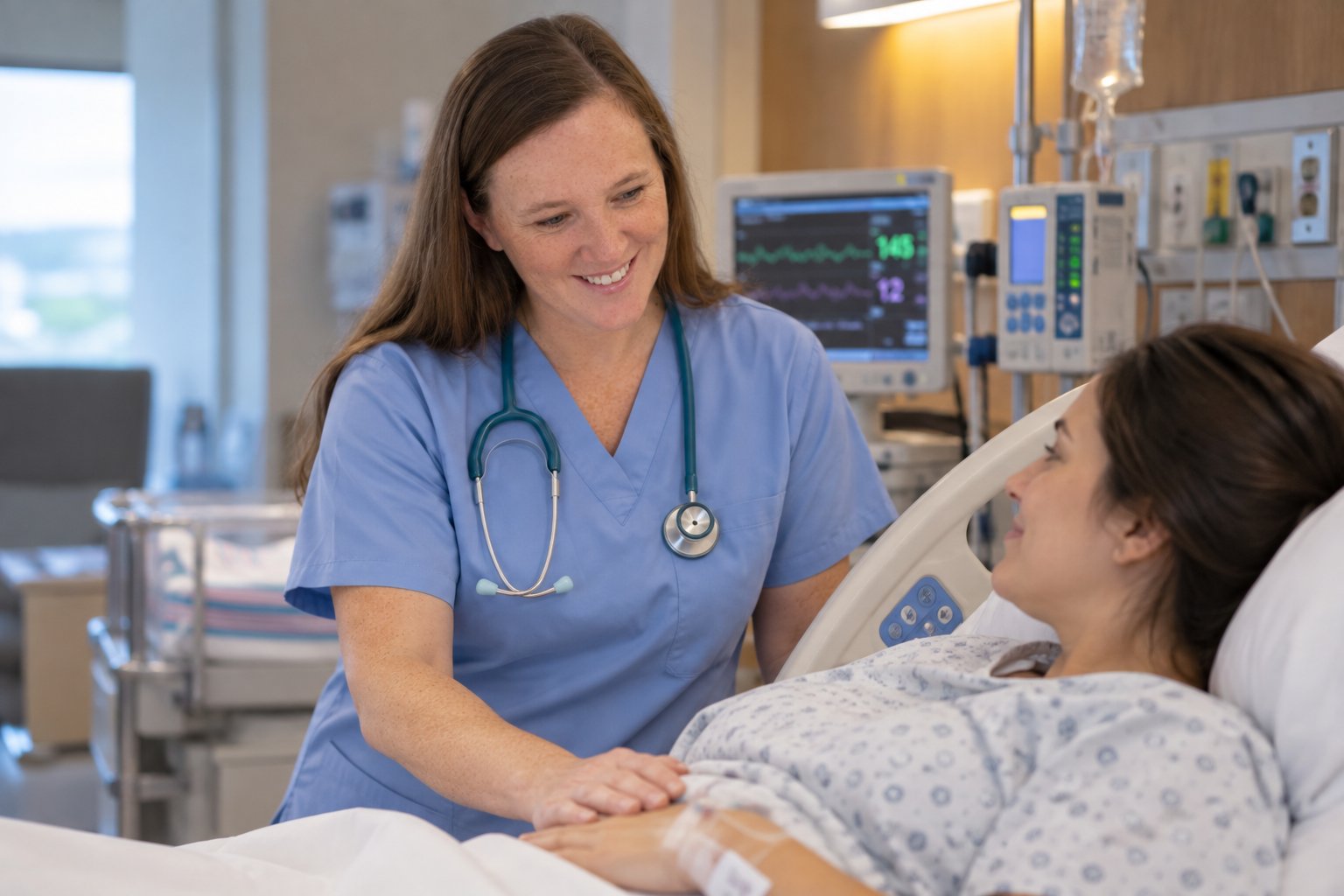
They deserve education that:
Reflects real clinical environments. Not textbook scenarios, but the messy, complex reality of practice.
Respects their existing knowledge and experience. Nurses bring deep expertise to their work. Education should build on that foundation, not ignore it.
Addresses emotional and cognitive complexity, not just tasks. Good care requires more than technical skill. It requires judgment, emotional regulation, and the ability to think clearly under pressure.
Provides practical tools they can actually apply. Education should answer the question: “How will this help me at the bedside?”
Supports safer, more sustainable practice. CE shouldn’t just help nurses survive their shifts—it should help them thrive in their roles.
Too often, CE is framed as something nurses need in order to be “better” at their work. But the real issue isn’t individual deficiency. It’s the gap between what nurses are asked to do and the support they’re given to do it well.
The Invisible Work That Deserves Recognition
Some of the most skilled nursing care looks effortless from the outside. A calm presence in a tense room. A few quiet words that de-escalate fear. An intervention that happens before anyone else realizes it’s needed.
When care looks easy, it’s often because a nurse is anticipating needs before they escalate, reading subtle clinical and emotional cues, managing risk quietly and efficiently, and drawing on years of experience, judgment, and preparation.
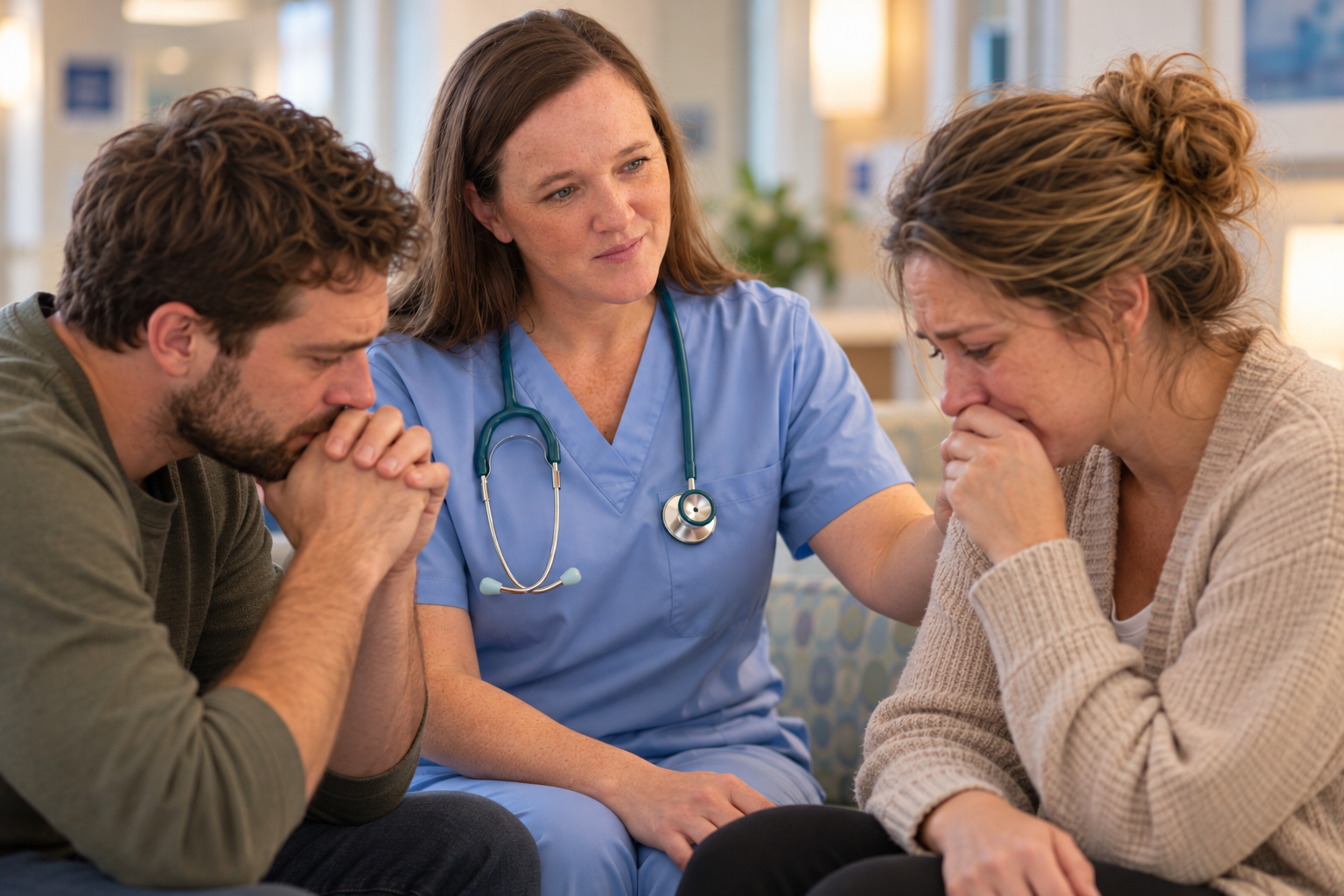
This kind of care isn’t accidental. It’s built through education, practice, and the ability to integrate knowledge in real time. When nursing skill goes unnoticed because it doesn’t look dramatic, its value is often underestimated.
But “easy” care is usually the result of deep competence—and it deserves recognition, respect, and support.
Building Education Differently
What if continuing education were built with nurses, not just regulations, in mind? What if it became a resource rather than a requirement?
That means creating courses that are thoughtful, grounded, and built with care. It means moving slowly and intentionally, ensuring clinical accuracy, aligning with standards, and respecting the emotional and cognitive load nurses already carry.
It means asking, before creating any course, whether this will actually help a nurse make better decisions at the bedside. If the answer isn’t a clear yes, it doesn’t belong.
Nurses don’t need more resilience. They need better support. They deserve education that leaves them feeling steadier, clearer, more confident in their clinical judgment, and genuinely supported in their work—not overwhelmed, inadequate, or behind.
A Different Kind of Continuing Education
If this approach to nursing education resonates with you, I invite you to explore my CE courses. They’re grounded in these values. They reflect real practice, respect your expertise, and support you without adding to your burden.
Explore the courses: altruisticnursewriter.com/continuing-education
The work continues—thoughtfully, carefully, and with nurses at the center.
Share this post with a colleague who deserves better from their continuing education.