
How to Avoid Sepsis in Pregnancy
When we talk about maternal sepsis, much of the conversation focuses on what happens after a patient begins to deteriorate. We talk about warning signs, screening, escalation, antibiotics, fluids, and treatment. Those conversations matter, but there is another important question to ask: How do you avoid sepsis in pregnancy?
The most accurate answer is that not every case of maternal sepsis can be prevented. A pregnant patient can receive appropriate prenatal care, follow medical recommendations, and still develop an infection that becomes serious. Maternal sepsis prevention should never become a reason to blame someone who develops sepsis.
Sepsis in pregnancy cannot always be prevented, but the risk can be reduced. Maternal sepsis prevention includes preventing infections when possible, keeping prenatal screening and recommended immunizations on track, identifying and treating infections early, recognizing pregnancy-related circumstances that increase infection risk, and making sure patients know when an infection or change in their condition needs medical attention. For OB nurses, efforts to prevent sepsis during pregnancy are rarely built around one dramatic intervention. Prevention is more often a series of smaller clinical decisions that keep infection from progressing unnoticed.
Can Sepsis During Pregnancy Be Prevented?
Sometimes, but there is no way to guarantee that sepsis will never occur. Sepsis develops in response to infection, so one layer of prevention involves reducing the likelihood of infection when possible and responding appropriately when infection does develop.
The CDC recommends several strategies to prevent infections that can lead to sepsis, including recommended vaccinations, good hand hygiene, appropriate wound care, managing chronic health conditions, recognizing signs and symptoms of sepsis, and acting quickly when an infection worsens rather than improves. These measures cannot eliminate every case of sepsis, but they can reduce opportunities for infection to worsen.
Pregnancy deserves additional consideration. The CDC identifies pregnant and postpartum patients as being at increased risk for sepsis and notes pregnancy-related circumstances such as early rupture of membranes, recent cesarean delivery, and retained pregnancy tissue as factors that may increase infection risk.
That means prevention isn’t a single step. Pregnancy infection prevention is layered throughout prenatal care, treatment of existing infection, labor and birth, discharge education, and the transition into recovery after delivery.
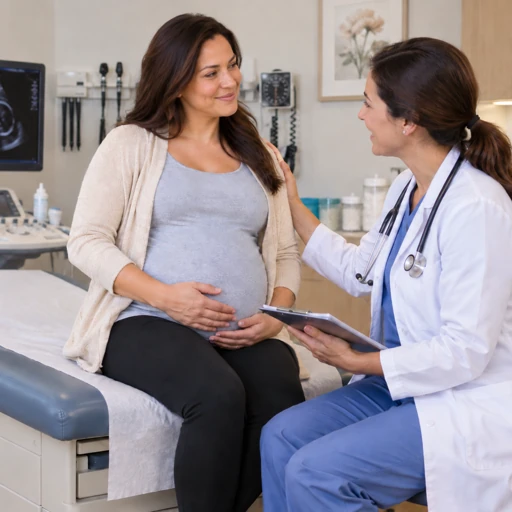
1. Prevent Infections When Possible
The most obvious place to begin is preventing infections that can sometimes progress to sepsis. Good hand hygiene, appropriate wound and incision care, management of chronic health conditions, and recommended vaccinations all help reduce the risk of infection.
Maternal immunization is another component of preventive care. The ACOG 2026 Maternal Immunization Schedule includes current recommendations for influenza, COVID-19, Tdap, and maternal RSV vaccination, with timing and eligibility considerations for each vaccine. Additional vaccines may be recommended for specific patients based on health status, disease exposure risk, and immunization history.
Vaccination should not be presented as something that prevents every case of maternal sepsis. Instead, preventing or reducing the severity of vaccine-preventable infections reduces the likelihood of serious infection developing.
For nurses, this is also an education opportunity. A prenatal vaccine, screening test, incision-care instructions, and guidance about when to call the healthcare team may feel like separate pieces of care to a patient. From a maternal safety perspective, they connect to a larger goal: preventing infection when possible and recognizing it early when prevention is not possible.
2. Keep Prenatal Infection Screening on Track
Some infections announce themselves with obvious symptoms. Others do not. Asymptomatic bacteriuria is an important example because a pregnant patient can have a significant bacterial load in her urine without the burning, frequency, urgency, or discomfort she might normally associate with a urinary tract infection.
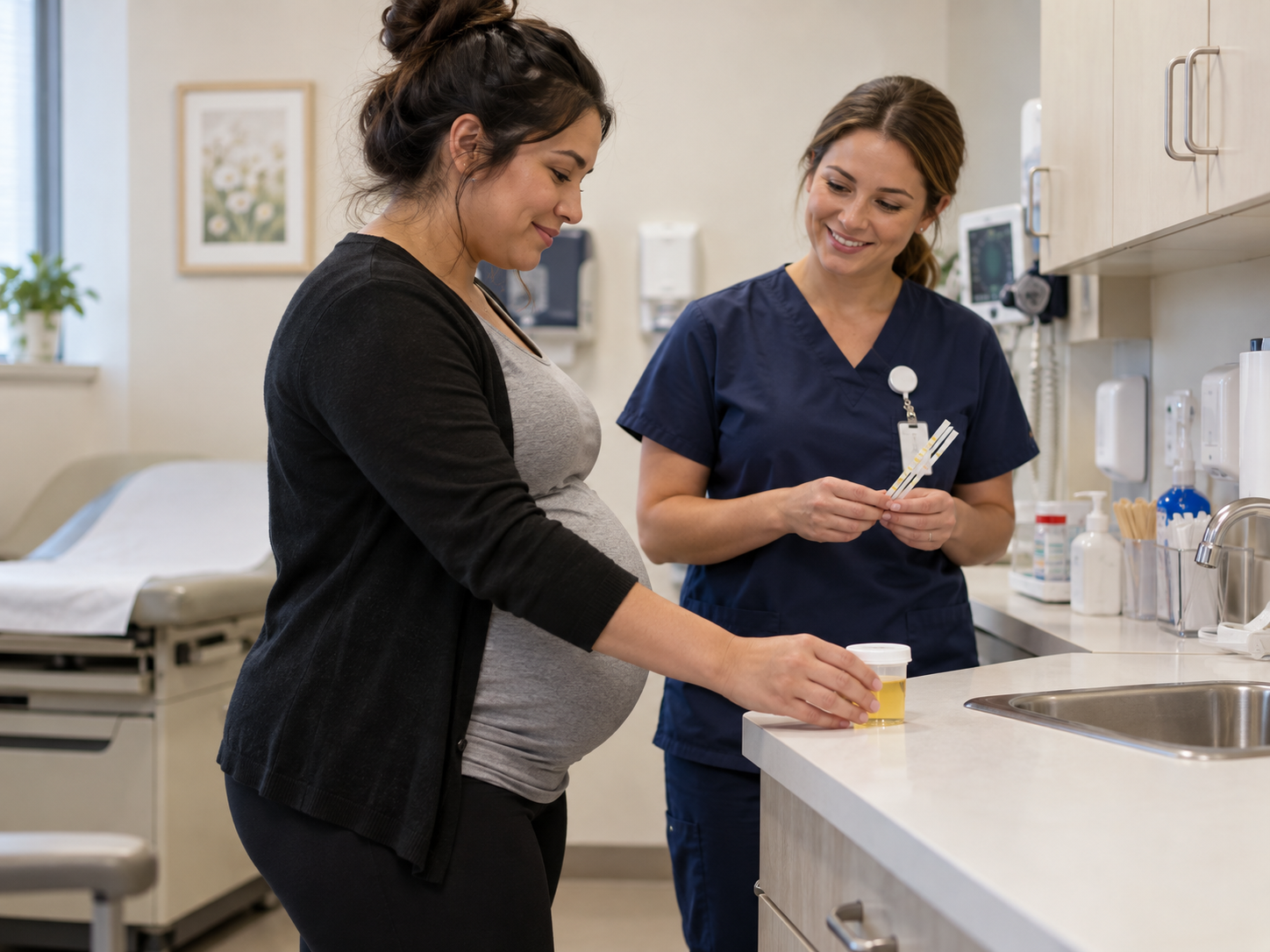
ACOG recommends screening pregnant patients for asymptomatic bacteriuria with a urine culture once early in prenatal care. Screening for and treating asymptomatic bacteriuria have been associated with a lower incidence of pyelonephritis during pregnancy, which is why early urine-culture screening remains part of recommended prenatal care.
A UTI in pregnancy deserves attention because urinary tract infections are among the more common perinatal complications. ACOG estimates that UTIs affect approximately 8% of pregnancies and can range from asymptomatic bacteriuria and cystitis to pyelonephritis. Pyelonephritis can be associated with serious maternal complications, including sepsis, acute respiratory distress syndrome, and disseminated intravascular coagulation.
This is an example of prevention happening quietly. A patient may never know that identifying bacteria through a routine prenatal urine culture allowed treatment before the infection progressed. That does not make the intervention any less important. Routine prenatal care is part of maternal safety.
3. Treat Infections Early and Pay Attention to Whether They Are Improving
Preventing infection is only one part of reducing sepsis risk in pregnancy. Once an infection exists, another opportunity for prevention is recognizing when that infection is not responding to treatment or is beginning to progress.
An infection during pregnancy may originate in the urinary tract, respiratory system, reproductive tract, skin or soft tissue, or another source. A patient may have pyelonephritis, a wound infection, intraamniotic infection, pneumonia, or another condition requiring treatment. Once the diagnosis is known, however, the nursing assessment should not stop.
We still need to know whether the patient is responding as expected. The CDC advises people to act quickly when an infection isn’t improving or is worsening because sepsis is a medical emergency.
For patients, that means understanding how to take prescribed medications, whether follow-up is needed, and what changes should prompt another call or evaluation. For nurses, it means avoiding the trap of allowing an existing diagnosis to explain every subsequent clinical change. A patient who is already being treated for an infection can still deteriorate.
One of the most useful questions we can continue asking is: Is she responding the way I would expect? If the answer is no, the clinical picture deserves another look.
4. Recognize When Pregnancy, Labor, or Birth Changes Infection Risk
Maternal sepsis prevention also requires understanding that infection risk is not identical for every patient. What happened during pregnancy, labor, birth, and the immediate postpartum period changes the clinical context. (I covered how infection risk shifts across this timeline in When Is Maternal Sepsis Most Common?)
The CDC specifically identifies early rupture of membranes, recent cesarean delivery, and retained pregnancy tissue as pregnancy-related circumstances that may increase infection risk. Other clinical circumstances may also influence assessment depending on the patient’s history and current condition.
Relevant questions may include:
Has the patient’s water broken early, or has it been ruptured for a prolonged period?
Has there been concern for intraamniotic infection?
Has she undergone cesarean delivery or another recent procedure?
Is there concern for retained pregnancy tissue?
Does she have a wound, incision, history of urinary catheterization, or another potential source of infection?
Is an existing infection worsening rather than following the expected course?
This is why obstetric history matters when evaluating infection. Two patients may report similar symptoms but have very different clinical contexts. A patient with prolonged rupture of membranes deserves a different infection-risk assessment than someone without that history. The same principle applies to recent cesarean delivery, retained pregnancy tissue, or other procedures that change the clinical picture.
Avoiding maternal sepsis is not simply about identifying one symptom. It requires connecting that symptom to the patient’s pregnancy, labor, birth, and recent obstetric history.
5. Give Patients Clear Instructions About When to Seek Care
Patient education is one of the most practical tools nurses have for preventing maternal sepsis. Pregnant patients do not need to become experts in sepsis or memorize laboratory values and diagnostic criteria. They do need to understand when something should not wait.
Education should answer practical questions. If an infection is getting worse instead of better, whom should the patient call? Where should she go after office hours? What should she do if she cannot reach her usual provider? Which changes should prompt immediate evaluation rather than waiting until the next scheduled appointment?
The healthcare team cannot reassess a patient who does not know when or where to seek help. Good discharge and outpatient education should provide a clear next step without frightening patients into believing every symptom means sepsis.
The 2025 CMQCC Improving Diagnosis and Treatment of Obstetric Sepsis, V2.0 Toolkit launch materials reinforce this broader approach to maternal safety. The updated toolkit includes patient education for maternal warning signs, patient-clinician listening and advocacy tools, screening and bedside evaluation resources, standardized EHR and order-set tools, and resources addressing recovery after severe maternal events.
Clear patient education is not an extra piece of care. It helps patients recognize when the expected course has changed and provides a clearer path to seeking help.
What Does Maternal Sepsis Prevention Look Like at the Bedside?
For OB nurses, prevention is woven into everyday practice. It happens when we reinforce prenatal screening and vaccination education, explain why a urinary infection needs treatment even when symptoms seem minimal, and recognize when ruptured membranes or a recent procedure change a patient’s risk of infection.
It also happens through reassessment. A patient who was improving yesterday may not be improving today. A diagnosis that made sense earlier may no longer explain everything happening at the bedside. Prevention sometimes means noticing when an infection is no longer behaving as expected and ensuring that the change is evaluated.
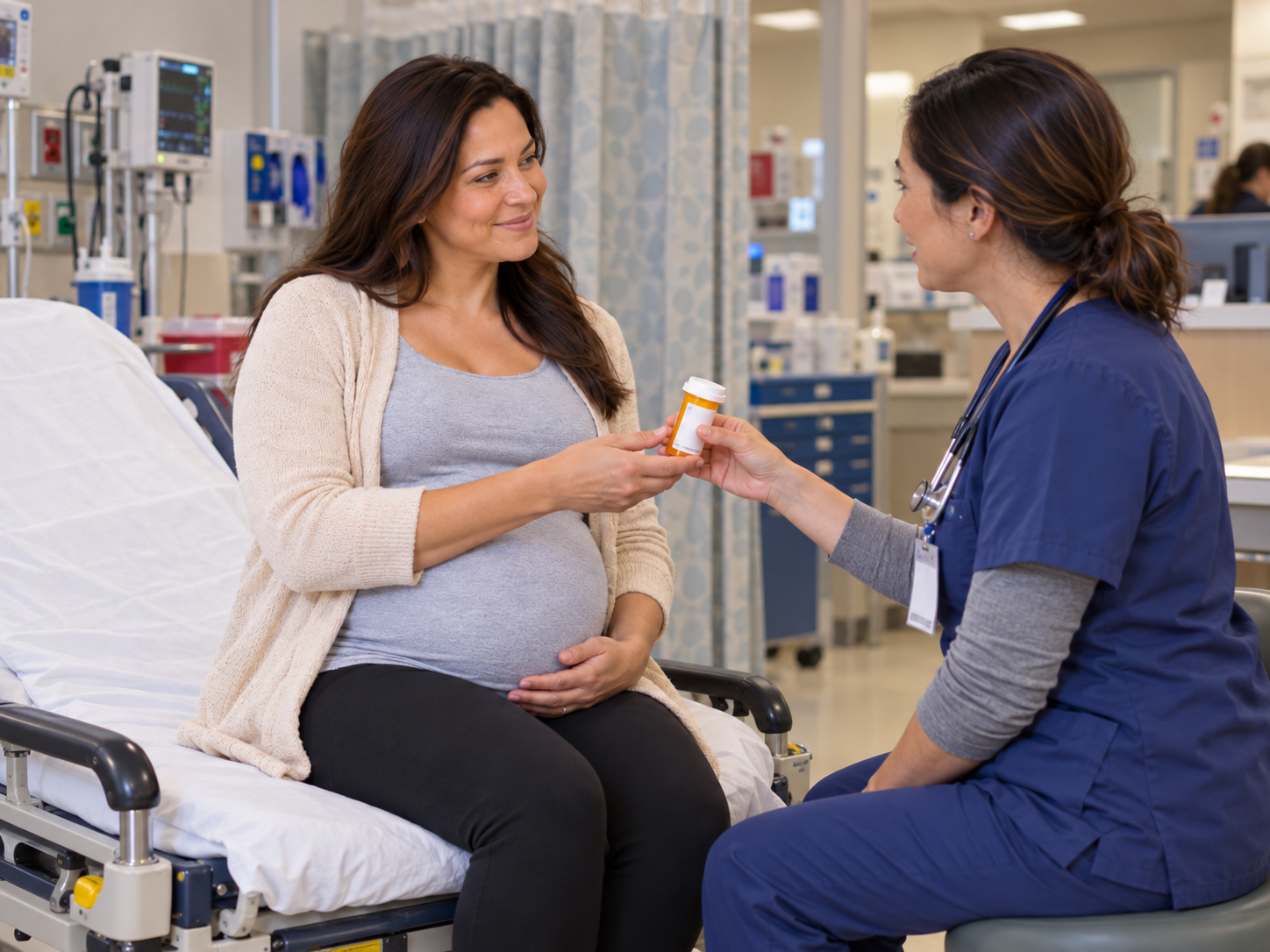
Discharge is another opportunity. Whether a patient is leaving labor and delivery, a maternity unit, an emergency department, or another care setting, she should understand what condition is being treated, what improvement should generally look like, whether follow-up is needed, and where to seek care if symptoms persist or worsen.
These interventions cannot guarantee that maternal sepsis will be avoided. They can reduce the chance that a serious infection goes unnoticed or that a deteriorating clinical picture is mistakenly attributed to something less urgent.
What Does Not Prevent Sepsis in Pregnancy?
This distinction matters because prevention advice can easily become oversimplified. Eating well, drinking enough water, getting adequate rest, staying physically active as recommended, and following general pregnancy health guidance may support overall health, but these habits should not be presented as proven strategies for preventing maternal sepsis.
There is also no amount of perfect behavior that guarantees a pregnant patient will not develop a serious infection. Maternal sepsis is not evidence that a patient failed to take care of herself.
Evidence-based prevention focuses on practical actions: preventing infections where possible, following recommended prenatal screening, treating infections appropriately, recognizing circumstances that increase infection risk, reassessing when the clinical course changes, and helping patients understand when to seek additional care.
That is a more accurate way to talk about how to avoid sepsis in pregnancy without turning prevention into blame.
Why Nurses Matter in Maternal Sepsis Prevention
Nurses often sit at the intersection of these prevention strategies. We provide patient education, review results, administer medications, reinforce follow-up, assess wounds and incisions, ask about urinary symptoms, care for patients with ruptured membranes, and notice when someone who seemed to be improving suddenly stops following the expected course.
We also often hear a patient say that something simply does not feel right. That statement does not diagnose sepsis, but it is clinically meaningful information that deserves consideration alongside the rest of the assessment.
No single nursing intervention can prevent every case of maternal sepsis. Preventing sepsis in pregnancy is a layered effort that includes infection prevention, appropriate prenatal screening, early treatment, continued assessment, patient education, and timely escalation when the clinical course changes. Collectively, nursing assessment, education, communication, and follow-through can close important gaps in care. (When escalation is needed, see What Are the Recommended Nursing Protocols for Sepsis Care?)
Maternal sepsis prevention is not only about what happens before an infection develops. Sometimes prevention means recognizing early that an existing infection is becoming something more dangerous.
So, How Do You Avoid Sepsis in Pregnancy?
There is no single intervention that guarantees sepsis can be avoided during pregnancy. The strongest approach is layered across prenatal care, infection prevention, timely treatment, nursing assessment, patient education, and follow-up.
For nurses, the major opportunities include:
Prevent infections when possible.
Keep prenatal screening and recommended maternal immunizations on track.
Take a UTI in pregnancy and other infections seriously.
Treat infection appropriately and reassess the response.
Recognize pregnancy, labor, birth, and recent obstetric factors that may increase the risk of infection.
Give patients clear instructions about when and where to seek care.
Escalate when the clinical picture is no longer progressing as expected.
If the goal is to prevent sepsis during pregnancy, one of the most useful questions at the bedside may be: Is this infection following the course I would expect, or is something changing?
Sometimes prevention happens before an infection develops. Sometimes it happens when a nurse, patient, or healthcare team recognizes early that an infection is no longer behaving the way it should.
Both matter.
Ready to Go Deeper With Maternal Sepsis?
Knowing how to reduce the risk of infection is part of maternal sepsis care. OB nurses also need to recognize when an infection is no longer following the expected course and know how to respond when the clinical picture begins to change.
My Maternal Sepsis CE Course for OB Nurses takes a deeper look at maternal sepsis recognition, assessment, clinical judgment, and nursing response using practical education designed for real-world OB care.
If you want to strengthen your confidence in caring for pregnant and postpartum patients when maternal sepsis is a concern, this course is for you.
Learn more and enroll in the Maternal Sepsis CE Course for OB Nurses